Junk Removal
Nepean Condo Storage Locker Cleanout Before a Move: A Practical Sorting and Access Plan
A practical guide for Nepean condo owners and property managers preparing a storage locker for a move, sale or handoff without blocking shared routes.
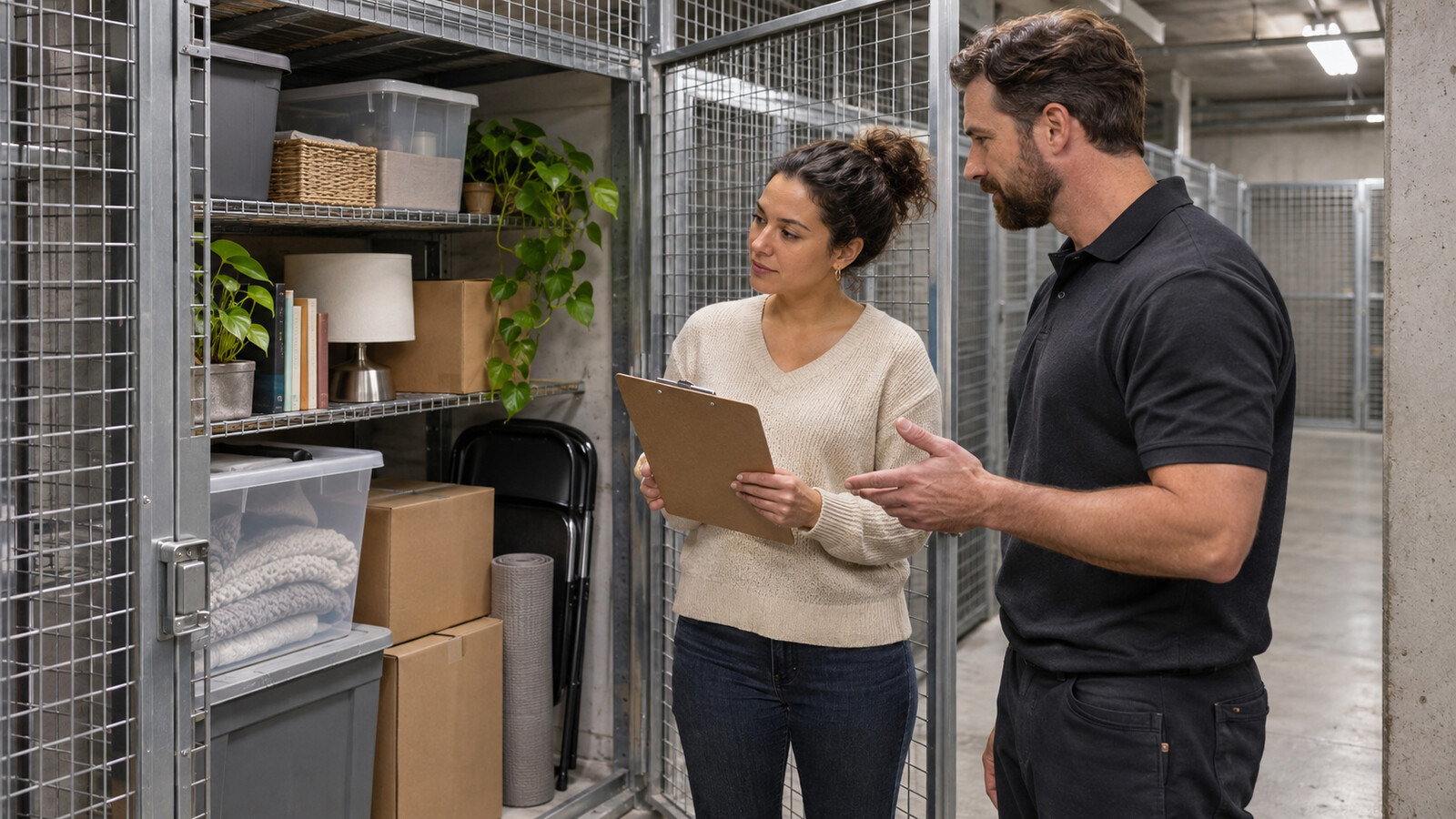
A condo storage locker can hold years of useful belongings, forgotten boxes and items that no longer fit the next home. When a move, sale or tenancy handoff is approaching, the work is not simply to empty the cage or room. The useful goal is to decide what stays, what travels and what can be removed while keeping hallways, elevators and parking areas clear.
In Nepean condo buildings, the practical difficulty is often access rather than volume. Lockers may sit behind several controlled doors, at the end of narrow corridors or beside other residents' spaces. A clear plan protects the building, avoids mixing belongings and gives a removal crew an honest picture of the route before an appointment is confirmed.
Start with a full locker inventory
Open every box that belongs to you before scheduling removal. Labels such as kitchen, garage or miscellaneous are not enough when the contents have not been checked in years. Look for identification, keys, family documents, photographs, small valuables and anything that should travel with you personally. Keep those items separate from the working area.
Photograph the locker from the doorway and from one side if space allows. The first image should show the floor area, shelving and the height of stacked items. Add closer photos of bulky pieces, loose objects and any item whose condition or material is unclear. Do not rearrange everything into a neat wall before taking the overview; the initial photo should show the real scope.
- Mark boxes and bins that will move to the new home.
- Separate donations only when an organization has agreed to accept them.
- Identify ordinary non-hazardous items for removal.
- Set aside documents, valuables and personal information.
- Photograph large items and the complete access route.
Use three clearly separated groups
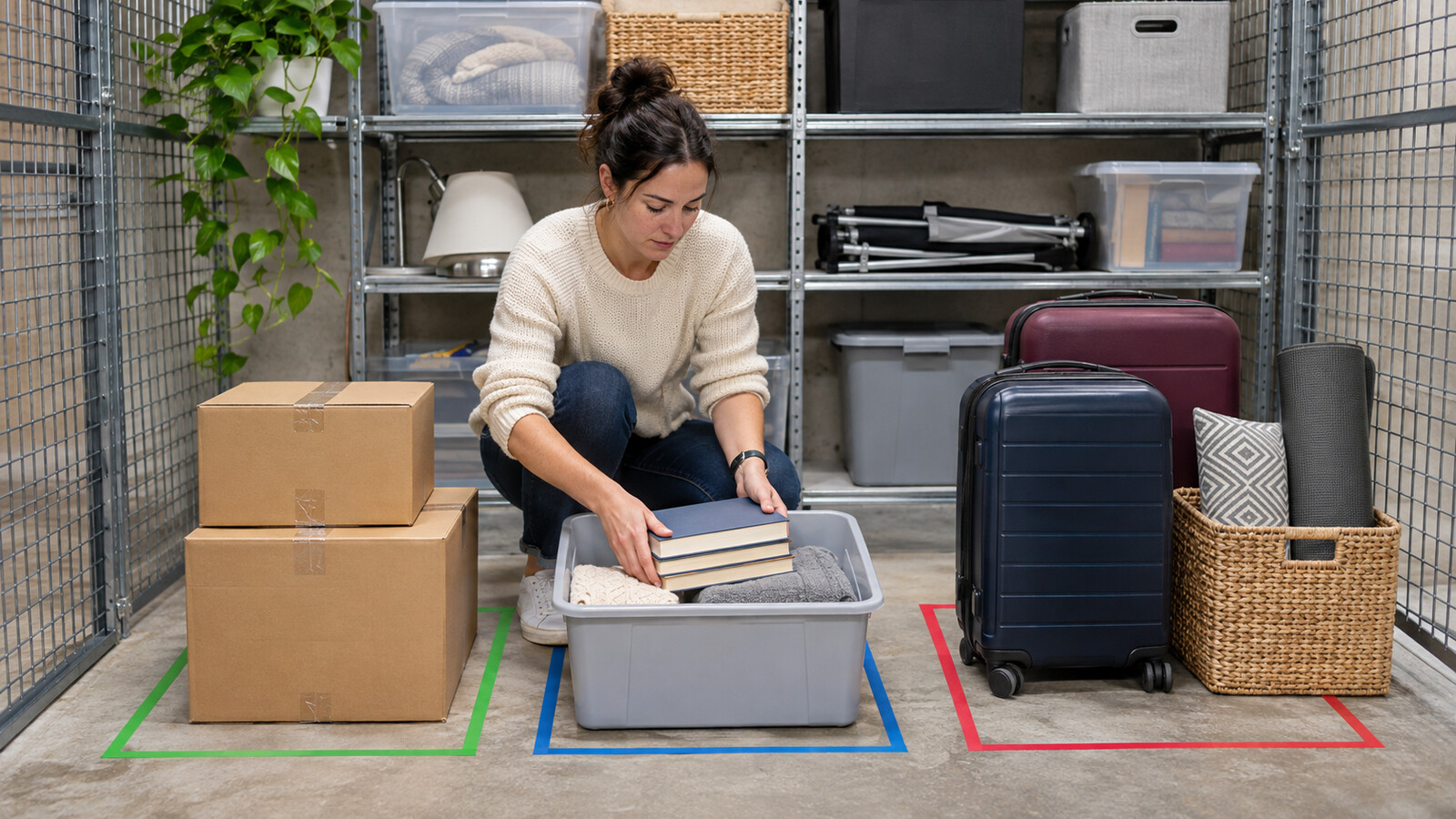
Use a simple keep, donate and remove system, but give each group a physical boundary. Coloured tape, separate shelving bays or clearly labelled bins are more reliable than verbal instructions on moving day. Do not place removal items in front of belongings that still need to travel, because the locker may have to be emptied in a specific order.
A donation plan is only useful when the receiving organization accepts the item and the delivery details are confirmed. Worn, damaged or incomplete goods should not be described as donations merely to delay a decision. If an item is staying with the property, identify it in writing and keep it apart from both the owner's belongings and the removal group.
Identify ordinary items and stop on questionable material
Typical storage-locker cleanouts may include empty boxes, household bins, small furniture, shelving that is not fixed to the building, old decor, luggage and other ordinary non-hazardous belongings. Describe the materials honestly and include photos. A quote should be based on what is actually present rather than a general estimate such as a few boxes.
Do not include paint, solvents, fuel, propane cylinders, unknown liquids, batteries with damage, medical waste or other hazardous or unidentified material in an ordinary junk-removal pile. Leave questionable containers closed and in place. They may require a separate handling or disposal route, and they should be identified before any ordinary removal begins.
Measure the route, not only the locker
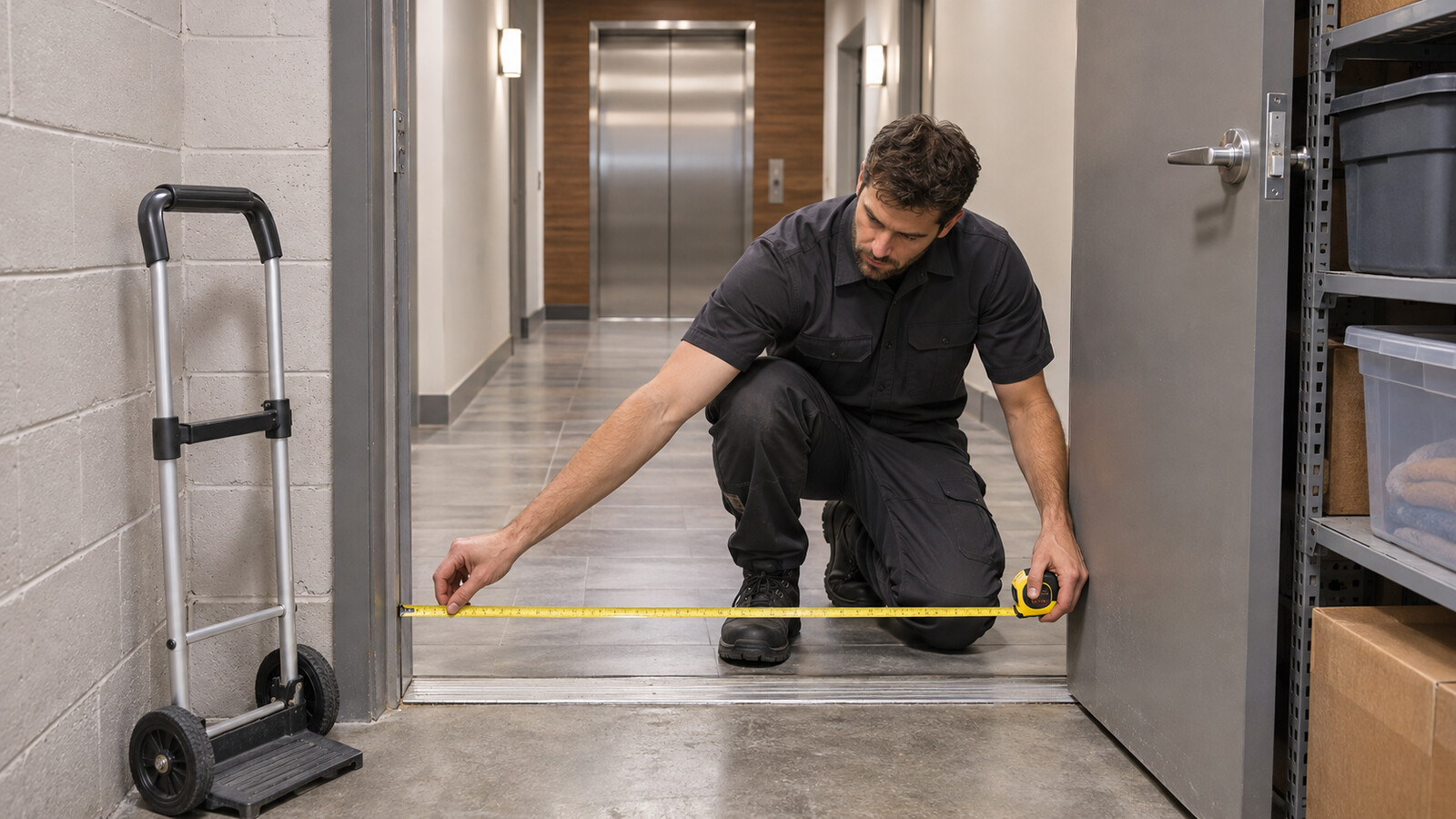
Measure the locker doorway, corridor pinch points and any item that cannot be carried comfortably in its current position. Note door closers, turns, low pipes, ramps and thresholds. If the route includes an elevator, confirm the cab opening and usable interior space through building management instead of assuming a large item will fit.
Photograph each important transition: the locker door, storage-room exit, elevator or stair door, lobby route and loading location. For underground parking, include clearance, access controls and the distance from the elevator to the vehicle area. For an exterior loading space, show where a vehicle can stop without blocking residents or emergency access.
Confirm building access before choosing a time
Ask the condominium manager or superintendent which access rules apply to the proposed work. A building may have procedures for elevator use, loading areas, keys, fobs, doors, floor protection or work hours. Confirm the current requirements directly; do not rely on what happened during a previous move or on instructions from another building.
Identify who will provide access and whether that person must remain on site. If an elevator reservation or loading arrangement is needed, treat it as part of the schedule. The removal appointment should follow confirmed building access, not the other way around. Share the deadline early when the locker must be cleared before a closing, lease end or possession date.
Keep shared areas clear during the cleanout
The corridor is a travel route, not a sorting room. Complete decisions inside the locker or another approved private area before items begin moving. Carry material in controlled loads and avoid leaving boxes beside neighbouring lockers, electrical rooms, fire equipment, doors or elevator entrances.
Use stable containers for small loose objects. Overfilled open boxes can fail in a hallway or elevator, creating extra clean-up and confusion about ownership. Furniture should be emptied before it moves. Removable shelves, drawers or glass components should be identified in advance so the handling plan matches the item and the route.
Finish with a documented handoff
After the removal group is gone, check the locker floor, corners, shelves and door area. Remove loose packing material and confirm that nothing belonging to a neighbour has entered the space. Take a final photo from the doorway. If shelving or hooks are attached to the building, leave them unless the responsible manager has provided different instructions.
Return keys, fobs or temporary access items through the agreed process. Report accidental damage or an unexpected condition promptly instead of concealing it with stored goods. For a move or sale, keep the final photos and any written handoff confirmation with the rest of the property records.
What to send for a storage-locker cleanout quote
Send wide and close photos of the locker, a list of the larger items, the Nepean address, the locker location, access notes and the deadline. Include pictures of the corridor, elevator or stairs and loading area. Say which items are definitely leaving, which are staying and whether building access has already been confirmed.
- Locker number or location and the building access contact.
- Wide photos plus close views of bulky or unclear items.
- Approximate box, bin and furniture counts.
- Door, corridor, elevator and loading details.
- Move, closing or handoff deadline.
A well-planned locker cleanout is easier to quote and easier to carry out. Sort first, identify anything that does not belong in ordinary removal, measure the whole route and confirm the building's current access process. That preparation helps Nepean condo owners and property managers clear the space without turning shared areas into part of the job.
Photos are illustrative examples of typical residential service results.